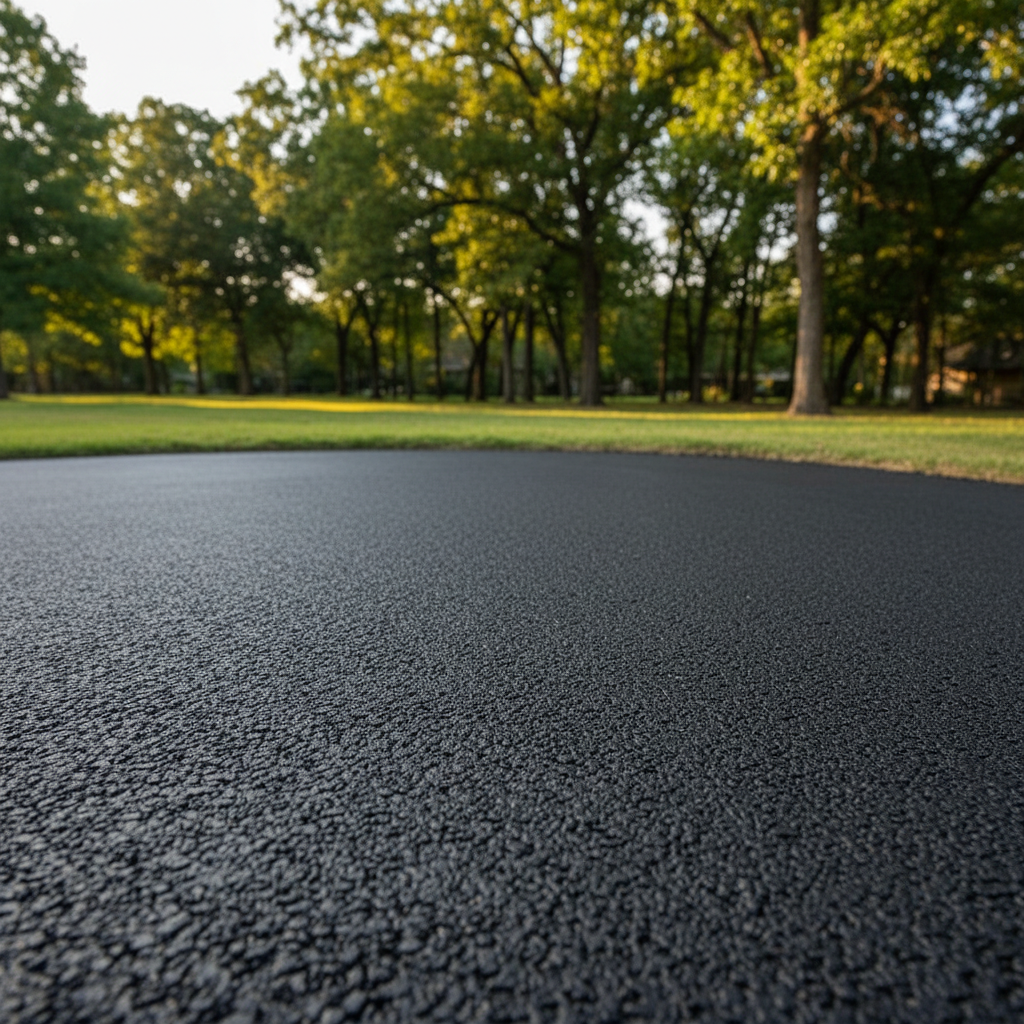
When you stare at your driveway on a scorching July afternoon in Lake Highlands and wonder why it is starting to get soft, you are not alone. Running Absolute Asphalt Paving around Dallas means our team gets hit with the same handful of questions all the time. People want straight answers about how our brutal North Texas summers, sudden freeze snaps, and stubborn clay soil affect their pavement. Here are the answers to the most common things homeowners ask Absolute Asphalt Paving.
How long should a new asphalt driveway actually last around here?
In ideal conditions, asphalt can last 20 years or more. But Dallas is not an ideal environment for Asphalt Paving. Between the 105-degree August days baking the oils right out of the binder and the heavy, shifting black gumbo clay underneath your sub-base, a typical Asphalt Driveway usually hits the 20-year mark only if it has been properly looked after. If you skip sealcoating and let water pool in cracks, you might be looking at major repairs in 12 to 15 years.
Why is my asphalt getting soft when it gets really hot?
Asphalt is flexible because it is held together by petroleum-based binders. When the Dallas sun beats down on your Asphalt Paving day after day, that binder softens up. Heavy delivery trucks or even parked cars can leave minor depressions in peak summer heat. Drivers should avoid turning their steering wheel hard while the car is parked completely still when it is 90-plus degrees outside, or the tires will tear right into the surface of the Asphalt Driveway.
When is the best time of year to pave or repair a driveway in Dallas?
Spring and fall are the prime times for Asphalt Paving in Dallas. The weather is stable, and the asphalt plant mix does not cool down too fast on the way to your house. Winter can work on milder days, but freezing overnight lows play havoc with compaction. Summer is doable, but it is brutal on the crew, and the hot mix sets up differently when the ambient temperature is already pushing record highs. If you can plan it, aim for October or April for your Asphalt Driveway project.
How do I know if I need a full replacement or just a patch?
Look at the pattern of the damage on your Asphalt Paving. If you have one cracking corner where water pools near your garage apron, a patch or saw-cutting out the bad section works fine. But if the whole surface of the Asphalt Driveway looks like an alligator back, or if your car bottoms out because the base has given way in multiple spots, patching is just throwing money away. That is when Absolute Asphalt Paving recommends a full replacement to do the job right.
Should I sealcoat my driveway every single year?
No, sealcoating every single year is unnecessary for an Asphalt Driveway. Too much sealer is actually worse than not enough because it builds up thick layers that start peeling off in ugly sheets. For most Dallas homes, hitting the Asphalt Paving with a quality asphalt emulsion every 2 to 3 years is plenty. It locks out moisture and gives you that dark, clean look.
What is the deal with tree roots tearing up my asphalt?
Dallas has some gorgeous old trees, but their roots are relentless. They crawl underneath your sub-base looking for moisture, lifting the Asphalt Driveway right up and cracking the Asphalt Paving wide open. If you are paving near a large oak or pecan tree, Absolute Asphalt Paving sometimes has to put in root barriers or dig a bit deeper on the prep work so your new driveway does not look like a roller coaster two years down the road.
Property owners with specific questions about their own pavement can contact Absolute Asphalt Paving for assistance. Absolute Asphalt Paving will take a look and give you an honest read on your Asphalt Paving project without any high-pressure sales pitch.